GATES EHV129 Electric Heater Control Valve 770075825555
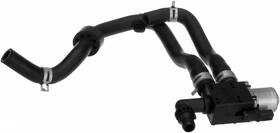
( Brand: Gates ), ( Manufacturer Part Number: EHV129 ), ( Part Type: Control Valve Heater ), ( Included Components: Gates Ehv129 Electric Heater Control Valve ), ( Fit Type: Vehicle Specific ), ( Valve Type: Globe Valve ), ( Color: Black ), ( Exterior Finish: Machined ), ( Material: Stainless Steel, Metal ), ( Unit Count: 1.0 ), ( UPC: 770075825555 ), ( Package Dimensions Lxwxh: 11.18x7.36x2.68 Inches ), ( Weight: 1.42 Pounds )
Review GATES Electric Heater Control Valve
The **Gates EHV129 Electric Heater Control Valve** is a high-performance, electrically actuated valve engineered to provide precise and reliable control over fluid flow in heating, ventilation, and air conditioning (HVAC) systems, as well as industrial and commercial applications. Designed with advanced engineering, this valve combines durability, efficiency, and smart functionality to optimize thermal management in demanding environments. The EHV129 features a robust **modulating electric actuator** that delivers smooth, proportional control, ensuring seamless adjustments to flow rates in response to system demands. Its compact yet sturdy construction incorporates a **high-quality stainless steel body**, resistant to corrosion, scaling, and extreme temperatures, making it ideal for both water-based and steam applications. The valve operates with a **fail-safe design**, allowing for either fail-open or fail-close configurations, enhancing system reliability and safety. With an integrated **positioner and feedback mechanism**, the EHV129 provides real-time monitoring and precise positioning, reducing energy waste and improving overall system performance. Suitable for integration with building automation systems (BAS) or standalone operation, this valve supports **24V DC or 120V AC** control signals, offering flexibility for various control schemes. Whether used in large-scale HVAC installations, industrial process heating, or renewable energy systems, the Gates EHV129 ensures consistent thermal regulation, extended equipment lifespan, and reduced operational costs through its efficient, low-maintenance operation. Built to meet stringent industry standards, this valve is a dependable choice for engineers and facility managers seeking a balance of performance, longevity, and ease of installation.
The Gates EHV129 is an electric heater control valve designed for HVAC systems, particularly those using steam or hot water for heating. Below is a detailed breakdown of its pros and cons, followed by a conclusion and recommendation.
---
**Pros:**1. **Precision Control:** The EHV129 offers precise modulation of flow rates, allowing for fine-tuned temperature regulation in HVAC systems. This can improve comfort and energy efficiency by ensuring the system responds accurately to demand.
2. **Electric Actuation:** Being electrically actuated, it eliminates the need for pneumatic or hydraulic systems, reducing complexity and maintenance requirements. Electric actuators are generally more reliable and easier to integrate with modern building automation systems (BAS).
3. **Compatibility:** The valve is designed to work with a variety of control signals, including 4-20 mA or digital protocols (e.g., BACnet, Modbus), making it suitable for both legacy and modern HVAC setups. It can interface with thermostats, VAV (Variable Air Volume) boxes, or other control systems.
4. **Energy Efficiency:** By enabling precise control over heating output, the valve can help optimize energy usage, reducing unnecessary heating cycles and lowering operational costs over time.
5. **Durability:** Gates is a reputable manufacturer known for producing high-quality control valves. The EHV129 is built to withstand harsh environmental conditions, making it suitable for commercial and industrial applications where reliability is critical.
6. **Easy Installation:** The valve is designed for straightforward installation, with standard connections for piping and electrical wiring. It often comes with mounting hardware and clear instructions, reducing installation time and potential errors.
7. **Low Maintenance:** Electric actuators typically require less maintenance than pneumatic or hydraulic systems. The absence of moving parts (like diaphragms or cylinders) in the actuator reduces wear and tear, leading to longer service life.
8. **Safety Features:** Many electric valves include built-in safety features such as fail-safe positions (e.g., fail-close or fail-open), which can prevent system malfunctions from causing hazards like overheating or water damage.
9. **Scalability:** The valve can be easily integrated into larger HVAC systems or retrofitted into existing setups without requiring significant modifications, making it a flexible solution for various applications.
10. **Quiet Operation:** Electric actuators operate silently compared to pneumatic actuators, which can be noisy, making the EHV129 a better choice for applications where noise reduction is important (e.g., residential or office buildings).
---
**Cons:**1. **Higher Upfront Cost:** Electric valves like the EHV129 are generally more expensive than mechanical or pneumatic alternatives. The initial investment may be a barrier for smaller businesses or projects with limited budgets.
2. **Dependency on Electrical Power:** Since the valve relies on electricity, it requires a stable power supply. Power outages or voltage fluctuations can disrupt its operation, potentially leading to heating system failures. Backup power solutions (e.g., UPS) may be necessary in critical applications.
3. **Complexity in Control Systems:** While electric valves offer advanced control capabilities, integrating them into a control system (especially older ones) can be complex. It may require additional programming, wiring, or expertise from HVAC technicians or automation specialists.
4. **Potential for Electrical Issues:** Electrical components can be susceptible to issues like wiring faults, short circuits, or actuator motor failures. This requires regular electrical inspections and maintenance to ensure reliable operation.
5. **Limited Lifespan Compared to Mechanical Valves:** While electric actuators are durable, they may have a shorter lifespan than some mechanical valves, particularly in harsh environments where corrosion or frequent cycling occurs. Replacement parts or the entire actuator may need to be replaced over time.
6. **Training Requirements:** Operators or maintenance personnel may need training to properly install, configure, and troubleshoot the valve. This can add to the overall cost and time required for implementation.
7. **Compatibility Issues:** Although the EHV129 is versatile, there may be compatibility challenges with certain control systems, piping materials, or fluid types (e.g., steam vs. hot water). Ensuring compatibility with the specific application is crucial to avoid performance issues.
8. **Sensitivity to Environmental Factors:** Electric actuators can be affected by extreme temperatures, humidity, or dust, which may require additional protection (e.g., enclosures, seals) in outdoor or industrial settings.
9. **Potential for Signal Interference:** In systems using analog signals (e.g., 4-20 mA), interference or noise in the wiring can cause inaccurate valve operation. Shielded cables and proper grounding may be necessary to mitigate this issue.
10. **Vendor Lock-In:** Depending on the control protocols or proprietary features of the EHV129, there may be limited flexibility to switch to alternative brands or systems in the future. This could restrict long-term options for upgrades or repairs.
---
**Conclusion:**The Gates EHV129 electric heater control valve is a high-performance solution for HVAC systems that prioritize precision, energy efficiency, and integration with modern control systems. Its electric actuation offers reliability, ease of use, and scalability, making it ideal for commercial, industrial, or large-scale residential applications where advanced temperature control is critical. However, the higher upfront cost, electrical dependency, and potential complexity in integration may pose challenges, particularly for smaller budgets or simpler systems. For applications where precise heating control and long-term efficiency are paramount, the EHV129 is a strong choice, provided that the electrical infrastructure and maintenance capabilities are in place to support it.
---
**Recommendation:** Purchase the Gates EHV129 if:- You are investing in a new or upgraded HVAC system that requires precise and energy-efficient temperature control.
- Your facility has a reliable electrical power supply and the infrastructure to support electric actuation (e.g., control panels, BAS integration).
- You prioritize long-term reliability, low maintenance, and compatibility with modern control technologies.
- Budget constraints are not a limiting factor, as the initial cost is justified by the valve s performance and efficiency benefits.
Avoid the EHV129 if:- Your project has a tight budget, and the higher cost of the electric valve cannot be justified by the expected savings in energy or operational efficiency.
- Your HVAC system is simple or legacy-based, and the complexity of integrating an electric valve outweighs the benefits.
- Electrical power reliability is a concern, and backup solutions (e.g., UPS) are not feasible or cost-effective.
- You lack the expertise or resources to properly install, configure, and maintain the valve or its associated control systems.
For smaller or simpler systems, consider mechanical or pneumatic valves as cost-effective alternatives. However, if your goals align with the advantages of the EHV129, it is a robust and valuable investment for modern HVAC applications.
Details:
Designed with high quality materials for a long service life. Plastic outlet's made of 100% virgin resins to prevent premature warping. Gates EHV129 Electric Heater Control Valve: OE-exact and application-specific design ensures an easy fit installation. Metal components are constructed with 301 stainless steel to resist corrosion.
Mounting brackets and hardware included as required.
part #: ehv129 prices
- $298.88-$452.47
specifications refrigerhva:
- brand: Gates
- mpn: Ehv129
- part type: Control Valve Heater
- included components: Gates Ehv129 Electric Heater Control Valve
- fit type: Vehicle Specific
- valve type: Globe Valve
- color: Black
- exterior finish: Machined
- material: Stainless Steel, Metal
- unit count: 1.0
- upc: 770075825555
- package dimensions lxwxh: 11.18x7.36x2.68 Inches
- weight: 1.42 Pounds
offer refrigerhva:
- quantity: 1
- options: Ship-to-home
- availability: In Stock
- sold: 0
- started: May 14, 2026
returns refrigerhva:
- paid by: Seller
- time: 30 Days
- policy: Returns Accepted
- method: Money back
shipping refrigerhva:
- transit: 2-5 Days
- class: Standard
- cost: $0.00
- service: UPS Ground
- type: Fixed
- carrier: UPS
payments refrigerhva:
- other
- credit card: Mastercard
- wallet: Paypal
general refrigerhva:
- HVAC Refrigeration > HVAC Refrigeration Components > Evaporators
- condition: New Open box
seller refrigerhva:
- rating: 97.9%
- # reviews: 228
- city: Phoenix, AZ